

Vitamin C + biotin after 40: what it is and who it's for.
Collagen gets all the attention, but your body can't make collagen without vitamin C. Pair that with the skin changes that come with dropping estrogen, and vitamin C becomes a quiet essential.
Vitamin C and your skin
Vitamin C is a cofactor for the enzymes that build and stabilize collagen. It's also an antioxidant. In a large national study of women, higher vitamin C intake from food was linked to fewer wrinkles and less skin dryness.
What about biotin?
Biotin (vitamin B7) helps your body use protein, including keratin. It's popular for hair and nails, but the clearest benefit is in people who are low.
From the product listing. Check your box for the full Supplement Facts, including the biotin amount.
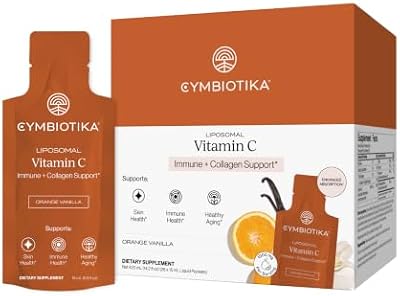
Who might consider it
- Women 40+ focused on skin from the inside out
- Anyone who doesn't eat much fruit and veg
- People pairing it with a collagen or protein routine
Before you buy
- Getting blood work? Biotin can cause falsely high or low results on some tests, including thyroid and troponin. Tell your doctor, and ask whether to pause it beforehand.
- History of kidney stones? High-dose vitamin C may raise the risk for some people. Ask your doctor.
- Iron overload (hemochromatosis)? Vitamin C increases iron absorption. Check with your doctor.
- Sensitive stomach? Large doses can cause GI upset. Take it with food.
A PharmD note: the best skin routine still starts with daily sunscreen and enough protein. A supplement supports that, it doesn't replace it. If you're not sure where to start, my free doctor questions guide can help you have that conversation.
