

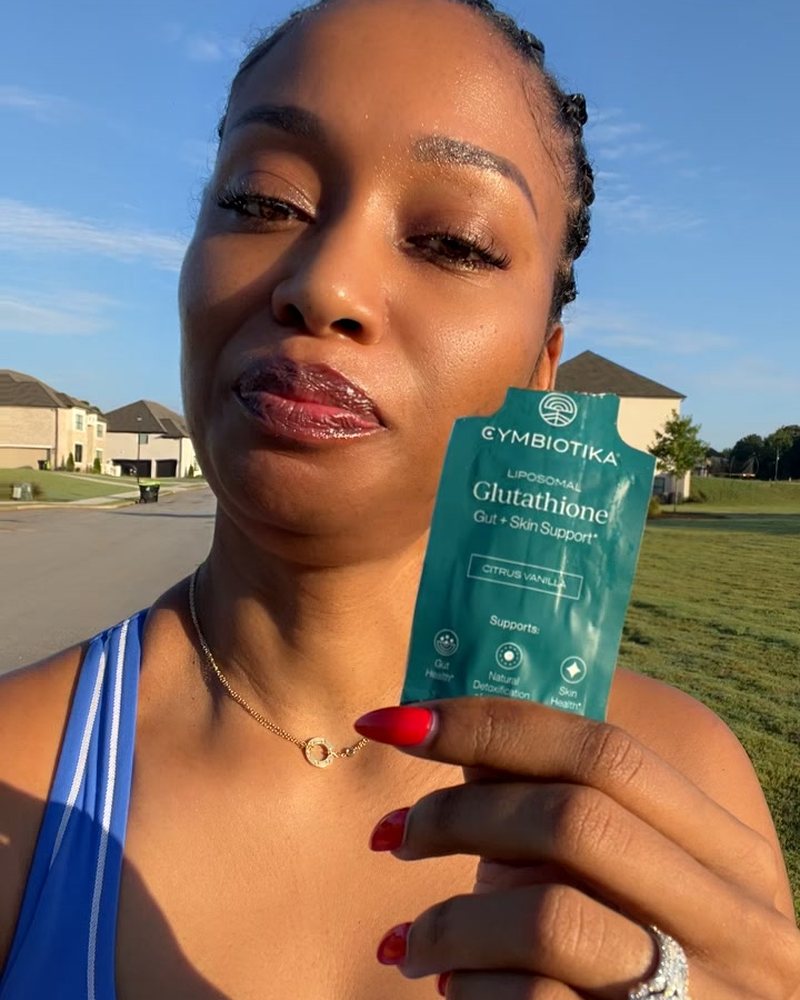
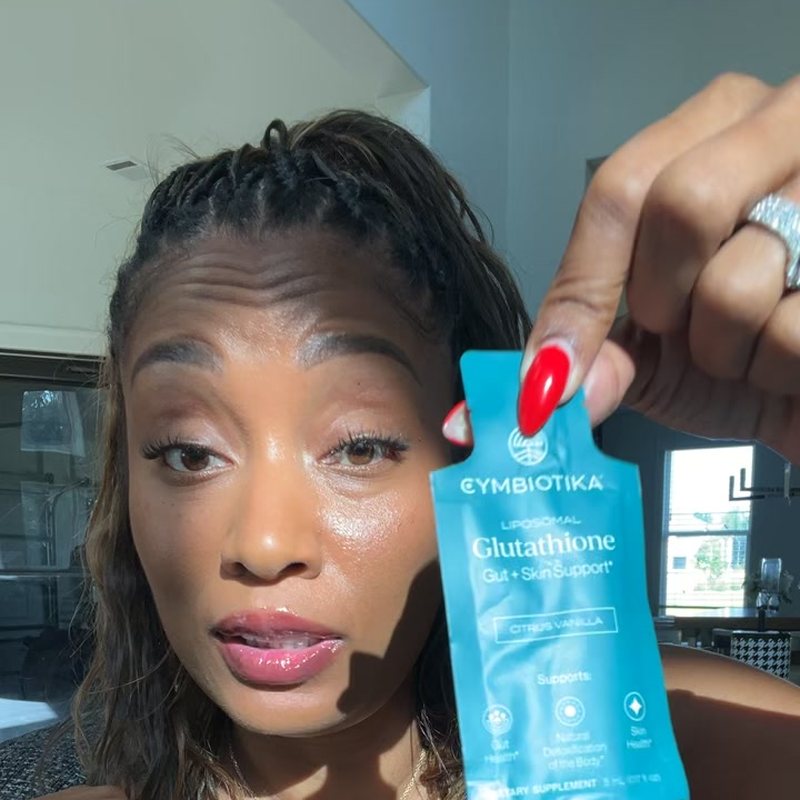

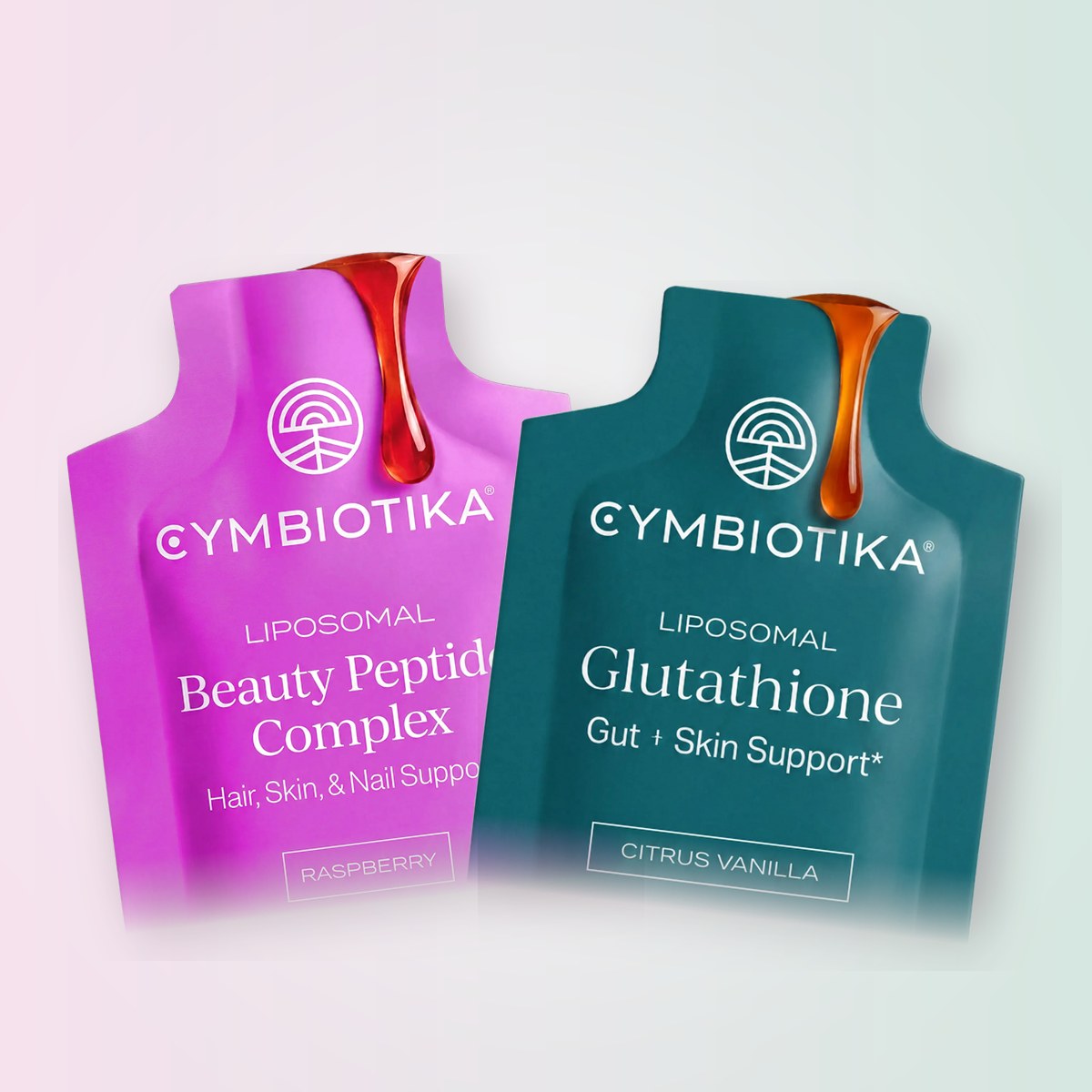

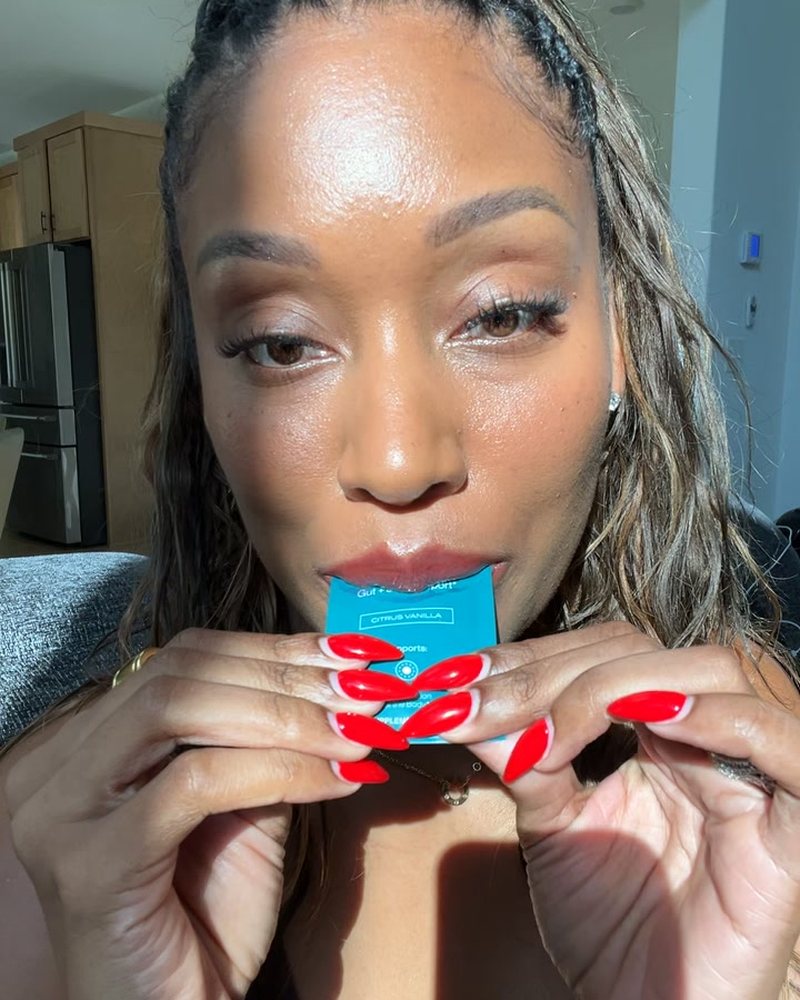
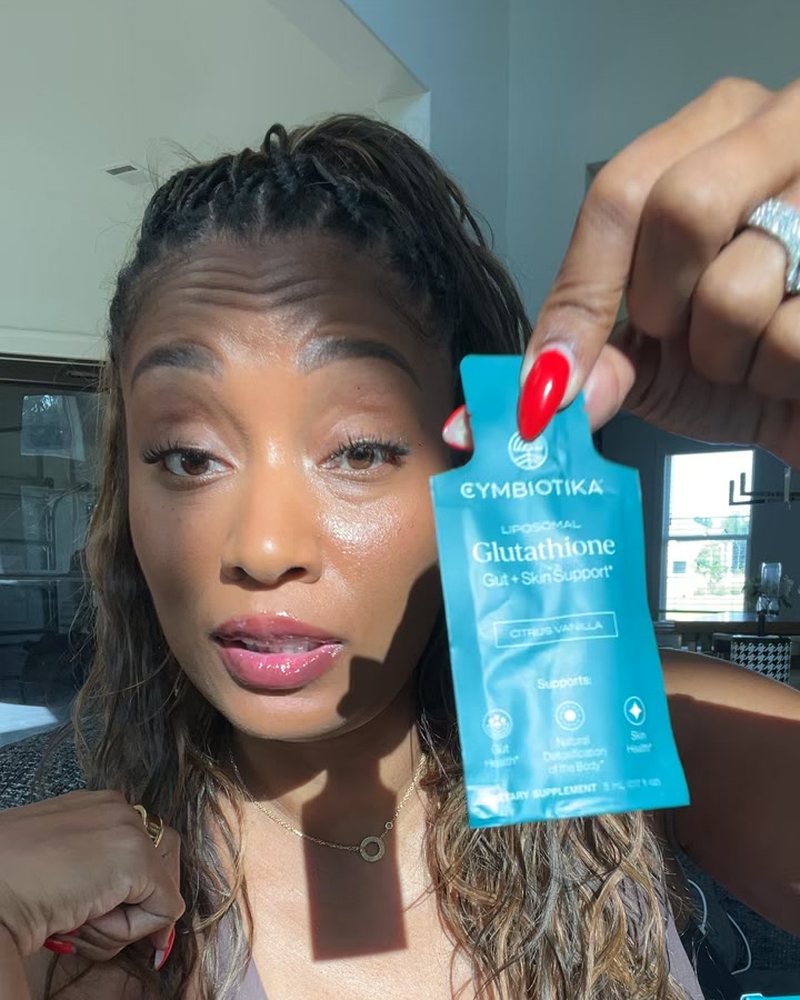
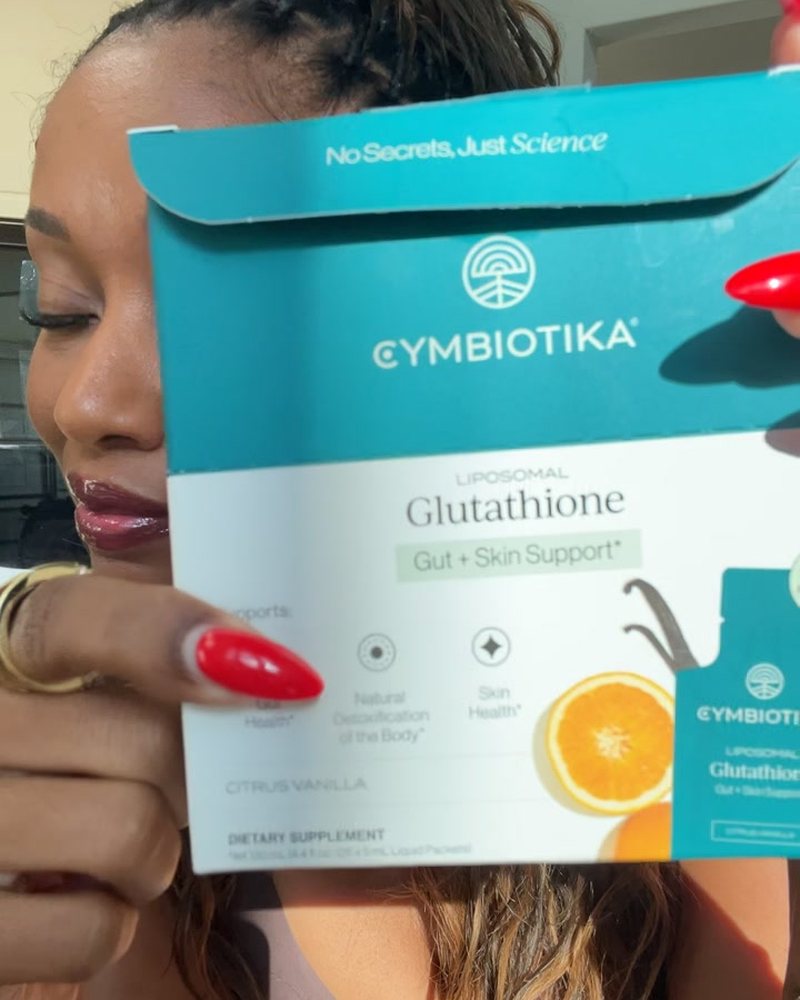
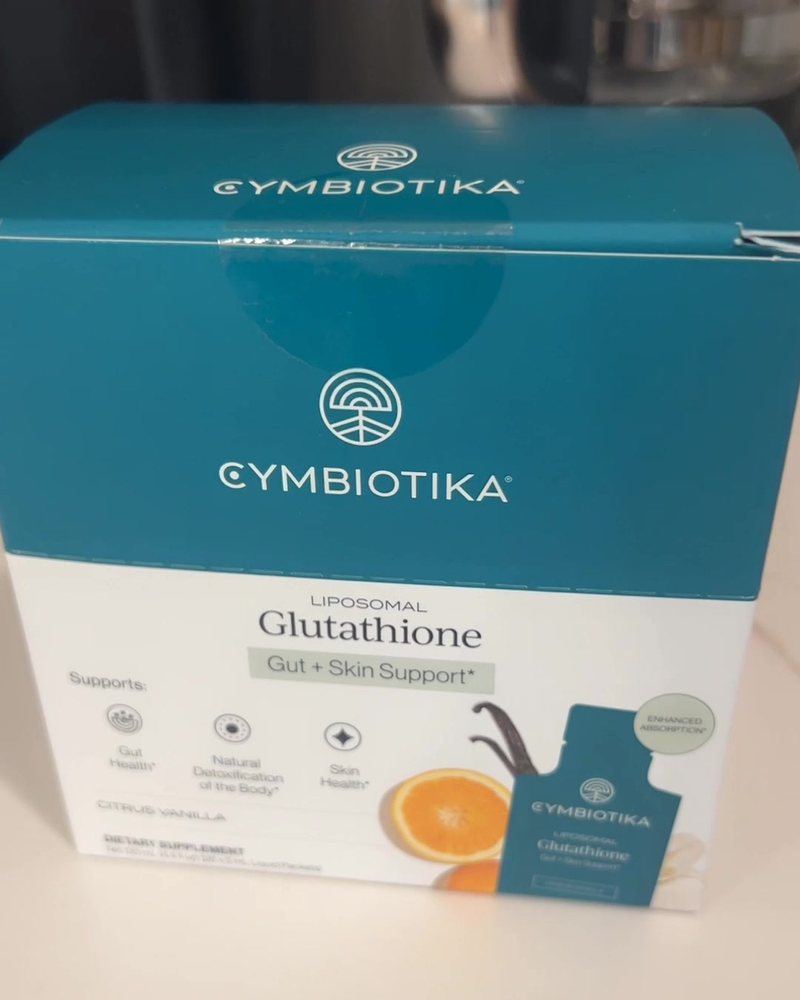
Glutathione after 40: what it is and who it's for.
Brain fog, dull skin, and feeling wiped out no matter how much you sleep. In perimenopause, a lot of things seem to show up at once. Glutathione won't fix all of that, and no single supplement will. But it's one of the ingredients I get asked about most, so let's look at what it actually is and what's in this bottle.
What is glutathione?
Glutathione is a small molecule your body makes from three amino acids: glutamate, cysteine, and glycine. It lives inside almost every cell and is often called the "master antioxidant" because it helps neutralize free radicals and recycles other antioxidants like vitamins C and E.
Your liver uses it heavily, too. It's part of how your body processes and clears out compounds it doesn't need. In one small study, adults 60–75 had about 46% less glutathione in their red blood cells than adults 30–40 (see the science). Things like poor sleep, stress, and alcohol can draw on your supply.
Why the liposomal form matters
Here's the pharmacy part. Plain glutathione is a peptide, and your digestive tract is very good at breaking peptides down before they reach your bloodstream. That's why standard glutathione capsules have a mixed track record.
Liposomal glutathione is wrapped in tiny phospholipid spheres (liposomes). The idea is that the coating may protect it through digestion and help it absorb. In a small 2018 pilot, daily liposomal glutathione raised glutathione levels within one to two weeks, which is why it's the form I point people to.
From the Supplement Facts panel. Formulas can change, so check the box you receive.
What about the "3X absorption" claim? Cymbiotika reports that its liposomal glutathione reached up to 3X higher levels in the blood than a standard capsule over 24 hours, in a randomized, double-blind crossover study (Briskey et al., 2026). I haven't reviewed the full paper yet, but the design they describe (the same people trying both forms, tracked for 24 hours) is a solid way to compare absorption. You can see their chart in the photos at the top of this page.
What about skin?
You've probably seen glutathione marketed for "glow." A handful of small studies on oral glutathione have looked at skin tone and elasticity, with some promising but early results. I think of the skin piece as a possible bonus, not the main reason to take it. Your sunscreen and moisturizer still do the heavy lifting.
Who might consider it
- Women 40+ looking for general antioxidant and healthy-aging support
- Anyone who wants a skin-from-within add-on to their routine
- People who'd rather take a liquid than another capsule
Before you buy
- Pregnant or breastfeeding? There isn't enough safety data, so skip it unless your provider says otherwise.
- In cancer treatment? Talk to your oncology team first. High-dose antioxidants may interact with some treatments.
- Taking prescription meds? Bring the bottle to your pharmacist or doctor so they can check it against your list.
- How to take it: the box suggests first thing in the morning on an empty stomach, on its own (not mixed into food or drinks). If that upsets your stomach, ask your pharmacist or doctor before changing how you take it.
A PharmD note: supplements support the basics. They don't replace them. Sleep, protein, movement, and a provider who listens matter more than any single product. If you're not sure where to start, my free doctor questions guide can help you have that conversation.
